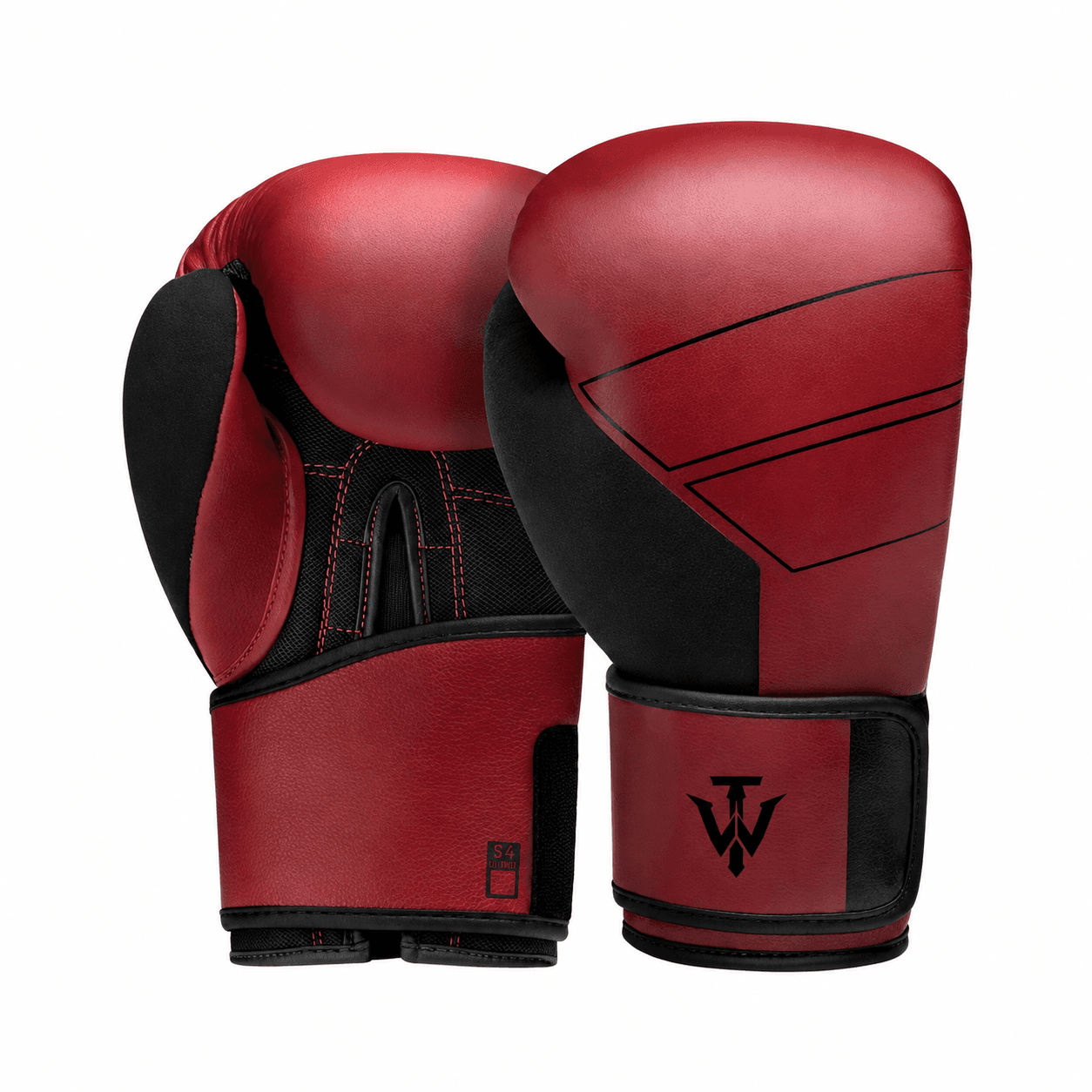
How to Start a Boxing Glove Brand: A Private Label Guide for New Brands
TitanWrap Team · 27 October 2026 · 1 min read
Starting a boxing glove brand looks simple from the outside: pick a colour, add a logo, start selling. In practice, the brands that last are the ones that make a few careful decisions before the first order is placed. This guide walks through those decisions in the order you will face them, from defining your customer to approving a sample and planning your first bulk order.
Step 1: Decide who you are selling to
Boxing gloves are not one product. A glove built for heavy-bag sessions is different from a sparring glove, and both differ from a fashion-led retail glove. Before you speak to any manufacturer, describe your customer in one sentence, for example: amateur boxers and gym members who want a durable training glove under their own brand. Material, padding, closure, price point and packaging all follow from that sentence.
Step 2: Choose your glove type and weights
Most new brands start with a focused range rather than every glove type at once. Common starting points are bag gloves, sparring gloves and general training gloves, offered in the weights your customers actually buy. Weight is more than a number on the cuff. It affects protection, hand speed and which sessions the glove suits. For a detailed breakdown, read our Boxing Glove Weight Guide: 8 oz to 20 oz Explained before you finalise your range.
Step 3: Understand your material options
The outer material is the biggest driver of look, feel, durability and cost. Genuine leather is the traditional choice and is often used for premium positioning. Synthetic options such as PU leather or microfibre can suit entry-level and mid-range ranges, and some brands choose them for budget or vegan positioning. Neither is automatically better. The right choice depends on your price point and what your customer expects. Whatever you choose, ask the manufacturer to confirm the exact material in writing and approve it on a physical sample.
Step 4: Check padding, lining and closure
Inside the glove, the padding construction and lining affect comfort and protection, while the closure affects how easily the glove goes on and off. Many gym customers like hook-and-loop closures for quick use, and some customers prefer lace-up styles for a more secure fit. Ask your manufacturer how these parts are constructed and review close-up photos or a sample before approval.
Step 5: Plan your branding
Branding is what turns a generic glove into your product. Typical options include printed or embroidered logos, custom colourways, branded wrist labels, custom inner lining prints and branded packaging. Prepare your logo as a vector file such as AI, EPS or a high-resolution PDF, along with colour references and placement ideas. The clearer your brief, the fewer sample revisions you will need. For a first collection, one clear logo placement and a colourway that photographs well often works better than a crowded design.
Step 6: Understand MOQ before you commit
MOQ means minimum order quantity, the smallest order a manufacturer will produce per product or style. It varies widely between factories. At TitanWrap, private label and OEM orders start from 50 pieces per product/style, which lets new brands test the market without committing to large stock. Remember that MOQ applies per style, so a range with three colours and two weights multiplies your first order. Start with fewer styles and add more after your first sell-through.
Step 7: Always approve a sample before bulk
A sample lets you check material, stitching, padding feel, closure, logo quality and sizing before you commit to bulk production. At TitanWrap, samples typically take 7 to 10 working days, and bulk production takes 25 to 30 working days. When your sample arrives, check the stitching along the seams, how the logo looks up close, how the closure holds, how the glove feels on the hand, and whether the finish matches your brief. Request changes in writing and approve the final sample before bulk starts.
Step 8: Ask about quality control and packaging
Good manufacturers check products at several stages, not only at the end. Ask what quality checks happen during cutting, stitching, finishing and packing. Also decide how your gloves will be presented to the customer, whether in polybags, branded boxes or retail-ready packaging, because packaging affects both shipping cost and customer perception.
Step 9: Plan export and delivery
Your destination affects documentation, packing and delivery planning. Whether you are selling in the UK, Europe, the USA or the Middle East, share your destination early so it can be reviewed as part of your brief. Build a buffer for shipping and customs when you set your launch date, and plan backwards from the bulk production lead time rather than forwards from your marketing calendar.
Common mistakes new brands make
The most common mistakes are launching too many styles at once, skipping the sample stage, sending low-quality logo files, choosing a supplier on price alone, and setting a launch date before confirming production and shipping time. Avoiding these five will save you more money than any discount.
Ready to start?
When you request a quote, include the glove type and weights you want, your preferred material, your logo files, the quantity you are considering and your destination country. With a clear brief, you will get a faster and more accurate response. You can also explore our Private Label and OEM Manufacturing pages to see how the process works from first brief to export.
Frequently Asked Questions
What is the minimum order for private label boxing gloves?
At TitanWrap, MOQ starts from 50 pieces per product/style. Exact quantities are confirmed against your approved brief.
How long does it take to produce custom boxing gloves?
Samples typically take 7 to 10 working days and bulk production takes 25 to 30 working days. Shipping time depends on your destination.
Can I add my own logo and packaging to boxing gloves?
Yes. Printed or embroidered logos, custom colours, labels and branded packaging are common options. Availability is confirmed in your brief and approved sample.
Which glove material should a new brand choose?
It depends on your price point and customer. Genuine leather often suits premium positioning, while PU or microfibre can suit entry-level and mid-range ranges.
Should I order a sample before bulk production?
Yes. A sample lets you check material, stitching, logo quality and fit before you commit to a bulk order.